Building a Full-Funnel Digital Marketing Strategy
Riya had a situation that felt quite familiar. Her small ecommerce store was getting traffic, social posts received likes, and ads were running… but profits were inconsistent. Some weeks were excellent. Others were silent. She wasn't short on effort. She was short on structure.
Riya actually didn't need more marketing. She required a strategy that guided people from inquiry to trust to conversion. In another word, she required a full funnel digital marketing campaign.
Many businesses are in the same situation. They invest in isolated tactics without connecting them to a coherent journey. A strong full funnel marketing approach alters that. It aligns every touchpoint to how real customers discover, evaluate, and select brands.
This guide explains how to build that structure step by step. You'll discover how each funnel stage works, how to connect channels, and how to optimize your efforts so that marketing appears planned, measurable, and scalable. Throughout the process, we'll look at how a trusted partner like The Social Stack can help brands create strategies that not only attract attention but also drive meaningful growth.
Why a Full-Funnel Approach Matters
Marketing today is not linear. Customers jump between platforms, compare choices instantly, and want relevance at every step. A disconnected plan results in wasted funds and confusing messaging.
A marketing funnel strategy creates clarity. It aligns marketing activities with the awareness of the conversion funnel, ensuring that each stage serves a purpose.
Instead of asking:
"What campaign can we run next?"
You start asking:
"Where is our audience in the choice journey, and what do they require right now?"
That move shifts marketing from reactive to intentional.
A well-built, organized digital marketing strategy delivers:
- Consistent messaging across channels
- Higher conversion efficiency
- Better attribution and measurement
- Increased customer trust
- Sustainable long-term growth
Understanding How the Funnel Works: From Awareness to Conversion
Every good full-funnel digital marketing approach follows three main stages:
Top of Funnel Marketing: Creating Awareness
This is where people first encounter your brand. The goal isn't selling. It combines visibility and value.

Strong top-of-funnel marketing increases familiarity and promotes your business as helpful, trusted, and relevant.
Typical tactics include:
- Educational blog content
- Social media storytelling.
- SEO-driven articles.
- Awareness ads
- Short-form video content.
This stage promotes customer journey marketing by responding to early questions & introducing your expertise.
What matters the most here:
- Reach the right audience
- Deliver useful content
- Avoid aggressive selling
When done well, people move forward because they want to learn more, not because they are under pressure.
Middle of Funnel Marketing: Building Trust and Consideration
Once awareness exists, customers enter evaluation mode. This is where middle-of-funnel marketing builds interest and reduces confusion.
A thoughtful lead nurturing strategy allows prospects to compare options, understand benefits, and visualize outcomes.
Effective middle-funnel assets include:
- Case studies
- Product explainers
- Webinars or Demos
- Email sequences
- Strategies for retargeting
Confidence is the aim. Instead of feeling overpowered, prospects should feel informed.
Since many businesses lose momentum at this point, it is critical. Warm prospects fade away in the absence of systematic nurturing.
Bottom of Funnel Marketing: Increasing Conversion
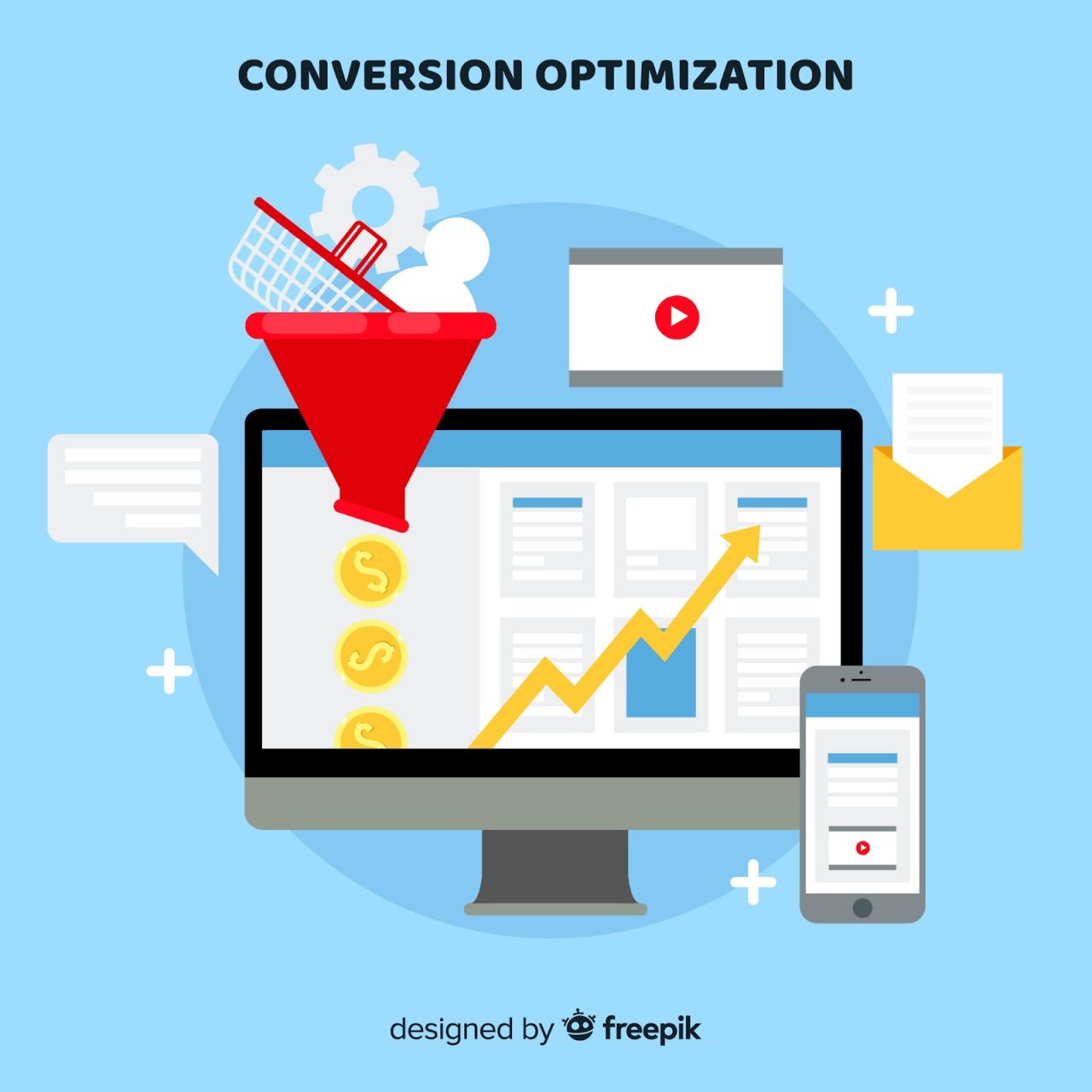
Now viewers are close to choosing. Bottom-of-funnel marketing focuses on reducing friction and emphasizing value. This is when conversion funnel optimization becomes critical.
Key tactics include:
- Clear product comparisons
- Testimonials and social proof
- Strong CTAs
- Limited time offers
- Seamless checkout experience
Reassurance takes priority over education.
An effective bottom funnel answers:
- Why choose you?
- Why now?
- What risk is reduced?
Small improvements here often result in disproportionate revenue gains.
Aligning Channels for Integrated Strategy
A funnel is more than simply a concept. It must be supported by coordinated channels. An integrated digital marketing strategy ensures platforms collaborate rather than compete for attention.
Example alignment:
- SEO content creates awareness
- Social media strengthens brand trust
- Email nurtures prospects
- Paid ads accelerate conversions
When channels interact consistently, the audience receives a cohesive brand story. Learn how brands stay ahead of trends and connect meaningfully with audiences in “Top Social Media Trends in 2025: What Businesses Need to Know.”
This is where several groups can benefit from competent planning. The Social Media Stack frequently assists firms in developing cross-channel architectures that ensure every contact complements the overall full funnel marketing strategy rather than working independently.
Mapping Customer Journey Marketing
A funnel becomes power when it depends in real customer behavior
Effective customer journey marketing requires understanding:
- How prospects discover your brand
- What questions are raised at each stage
- Where does hesitation occurs
- What motivates final decisions
Journey mapping reveals communication gaps and opportunities for improvement.
Questions to ask:
- Are awareness campaigns aligned with the intentions of buyers?
- Does the middle-funnel content answer objections?
- Is the conversion process frictionless?
When journey insights drive execution, marketing becomes predictive rather than reactive.
Designing a Lead Nurturing Strategy That Converts
Not every prospect immediately converts. That's normal. A strategic nurturing leads strategy maintains open communication without pressure.
Key nurturing principles:
- Deliver value before promotion
- Personalize communication
- Use behavioral triggers
- Maintain consistent timing
Examples include:
- Educational email sequences
- Personalized follow-ups
- Retargeted educational ads
This approach strengthens connections and increases capacity when prospects reach the choice stage.
Conversion Funnel Optimization: Turning Interest Into Action
Even strong funnels lose revenue if conversion paths are unclear. Conversion funnel optimization is to remove obstacles between intent and action.
Areas to optimize:
- Page load speed
- Form simplicity
- Mobile experience
- CTA Clarity
- Checkout flow
Small improvements create compounding results
For example:
- Shorter forms generate more submissions
- Clear value statements reduce hesitation
- Strong social proof builds confidence
Optimization isn't a one-time task. It’s constantly being guided by data.
Measuring Performance Across the Funnel
A true full funnel digital marketing plan requires stage-specific metrics.
Top funnel:
- Reach
- Engagement
- traffic quality
Middle funnel:
- Email Engagement
- Demo signups
- Content Interaction
Bottom funnel:
- Conversion rate
- Revenue attribution
- Customer acquisition cost
Tracking each stage helps to prevent misinterpretation. A campaign may not convert quickly, but it does contribute to over time pipeline growth.
Tools like analytics dashboards and CRM systems help in unifying measurement and support better decisions.
Common Funnel Mistakes To Avoid
Even experienced teams might fall into expected traps.
Watch for:
- Overemphasizing bottom-funnel strategies
- Ignoring nurturing stages
- Disconnected messaging
- Lack of measurement
- Treating channels is isolation
A funnel works when each stage supports the next.
This is why structured planning is important. Many brands partner with experts like The Social Stack to audit funnel performance and develop scalable frameworks that avoid these issues.
How The Social Stack Supports Full-Funnel Growth
Designing a single funnel requires both strategy and execution.
The Social Stack approaches full funnel marketing as a connected ecosystem:
- Research-driven audience insights
- Structured funnel mapping
- Cross-channel alignment
- Performance optimization
- Continuous refinement
Instead of chasing isolated wins, the focus stays in sustainable growth.
Businesses connected with The Social Stack benefit from marketing systems that evolve alongside customer behavior and industry trends.
Practical Steps to Start Building Your Funnel
If you're ready to act, start with these fundamentals:
- Define your audience segments
- Map awareness, consideration, and decision touchpoints.
- Create stage-specific content
- Align channels under one strategy
- Measure and refine continuously
Consistency is more important than perfection. A structured funnel evolves through iteration.
Bringing It All Together
Riya's breakthrough came when she stopped chasing tactics and began building structures. Once her funnel in line awareness, nurturing, and conversion, results stabilized. Growth felt predictable. Marketing decisions become clearer.
That is the real intent of a full funnel digital marketing strategy. It transforms scattered activity into a controlled journey that takes into account how people make decisions.
Whether you're improving a current system or starting from scratch, purposeful alignment is critical. Every message should lead prospects forward. Every channel should have a specific purpose. Every stage should be seamless. And you don't have to go it alone.
If you want a marketing structure based on quantifiable growth, The Social Stack can help you build, deploy, and optimize a funnel that converts attention into long-term business impact. Ready to build a smarter funnel? Partner with The Social Stack to transform how your marketing generates growth.
.png)