Creative Testing Frameworks for Paid Campaigns

Sarah is a digital marketing manager for an e-commerce brand. She has been running paid campaigns for months, but her ads aren't performing as expected. Click-through rates are flat, and conversion rates aren't improving. Frustrated, Sarah wonders if there's a better method to test her ad creatives to make every campaign more successful.
That's where creative testing frameworks comes into play. At The Social Stack, we help marketers like Sarah in systematically approaching ad creative testing, assuring campaigns deliver better results & maximize ROI. In this guide, we’ll learn how to set up these frameworks, optimize dynamic creative ads, and leverage best practices over paid media.
What Are Creative Testing Frameworks?
A creative test framework is an organized method to reviewing and optimizing your ad creatives. Instead of guessing which visuals or copy will be most effective, you use systematic testing techniques to identify what your audience responds to.
Key benefits include:
- Identifying top-performing ads creatives.
- Reducing wasteful ad spend
- Improving overall campaign ROI
- Making data-driven decisions instead of depending on intuition.
At The Social Stack, we prioritize combining data insights with creative methods to offer campaigns a competitive advantage.
Why Ad Creative Testing Matters
Many marketers underestimate the importance of ad creative on paid campaign performance. Even with a strong targeting strategy, poor creatives can lead in low engagement. Testing ensures that all assets, such as images, videos, and copy that perform optimally.
Some key areas to work on include:
- Headlines and primary text
- Calls-to-action (CTAs)
- Visual elements and color schemes
- Video vs. static image performance
Strong creative strategy does not just improve paid results but also it strengthens your overall social presence, as explained in Social Media Marketing Made Easy: A Simple Guide to Boosting Your Reach Today , when engagement fundamentals directly relate to ad performance.
Case in Point
John, an upsurge marketer at a SaaS company, launched many campaigns with similar targeting. He discovered that videos with product demos consistently outperformed static images in conversions by 35%. Simple changes based on testing data can dramatically improve results.
Types of Ad Creative Testing
There are many methods to testing ad creatives. Choosing the best approach depends on your goals, target audience, and budget.
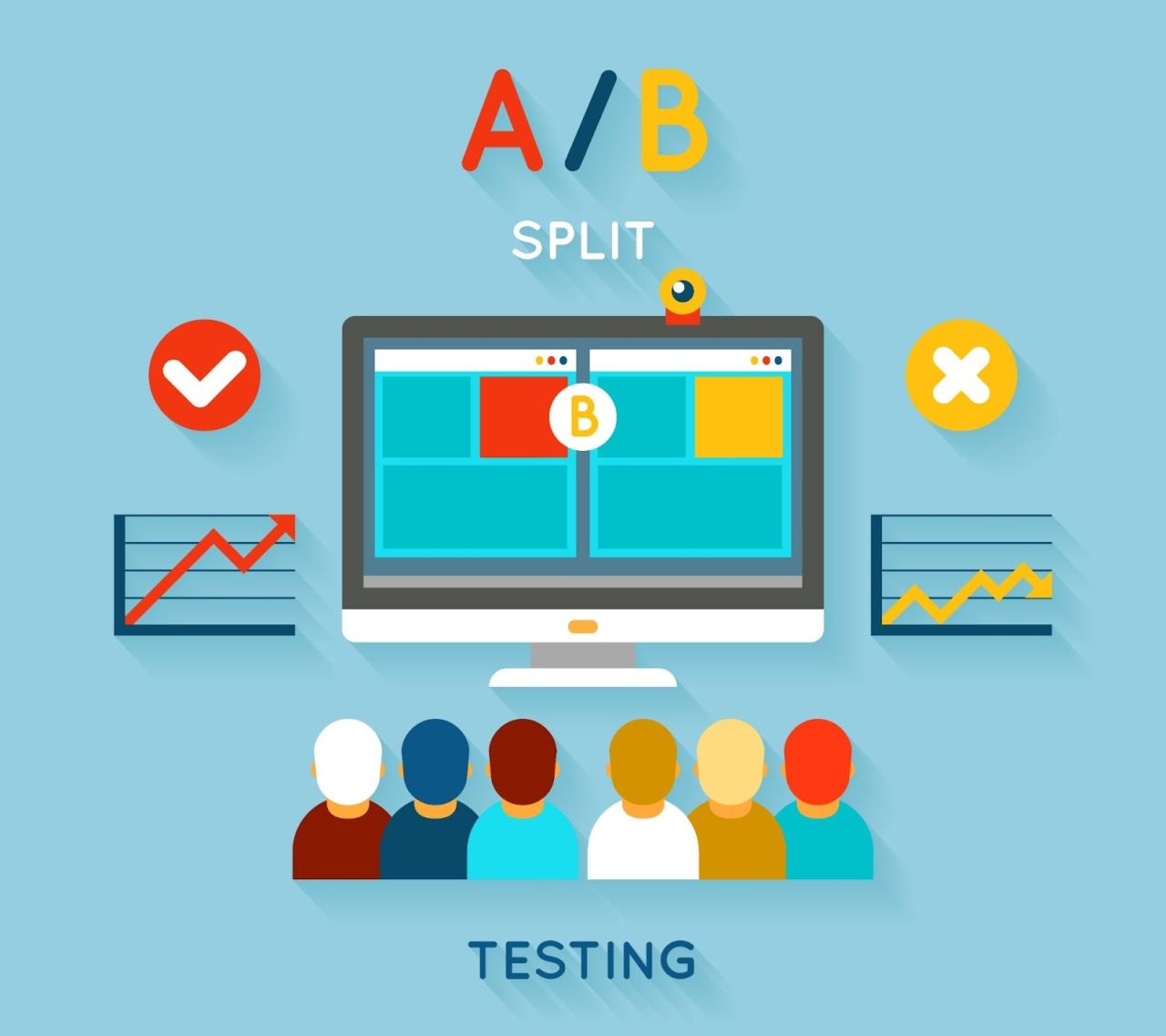
1. A/B Testing for Ads
Also known as split testing, A/B testing compares two versions of an ad to see which performs better. It's particularly useful for:
- Headlines and ad copy
- Image or video thumbnails
- CTAs and buttons
Best practice:
- Test a single factor at a time
- Use statistically important data before drawing conclusions
- Rotate versions regularly to avoid audience fatigue
2. Multivariate Testing
This involves testing multiple variables simultaneously. For example, combining different headlines, images, and CTAs to determine the ideal combination.
3. Dynamic Creative Ads
Dynamic creative ads automatically blend different creative elements to get the best mix. Platforms like Facebook Ads & Google Ads offer dynamic creative tools that can be used for large-scale testing.
Building a Creative Testing Framework
Creating an organized framework ensures that your tests are consistent, actionable, and scalable.
Step 1: Define objectives
- Decide if you want to increase CTR, conversions, or engagement
- For example, "Increase leads form submissions to 20% over the next campaign ad cycle."
Step 2: Identify Key Metrics
- Click through rate (CTR)
- Conversion rate
- Cost per acquisition (CPA)
- Engagement rate
Step 3: Develop Hypotheses
- Predict what creative elements will perform best.
- Example: "Video ads featuring client testimonials will have a higher engagement than demo images."
Step 4: Test and Analyze
- Run A/B testing for ads or dynamic creative ads
- Use platform analytics and third-party tools for the campaign performance analysis
Step 5: Iterate & optimize
- Scale top-performing creatives
- Pause any ads that are underperforming
- Continuously refine according to new data
Paid Media: Best Practices for Creative Testing
In addition to an organized framework, following industry best practices ensures that your tests are successful and actionable.
- Choose your audience: Try out creatives in different audience segments to find out preferences.
- Rotate ads regularly: Prevent ads fatigue by introducing fresh visuals and messaging.
- Use high-quality visuals: Low-quality images or videos can hurt your campaign's performance.
- Consistently track results: Use a dashboard to gain real-time insights.
- Document everything: Keep track of everything was tested, the results, and the lessons learned for future campaigns.

Tool & Platforms for Creative Testing
Several tools can assist simplify and improve ad creative testing:
- Facebook Ads Manager: dynamic creative ads and A/B testing
- Google Ads Experiments: Test search, show, and video creatives
- Canva / Adobe Creative Cloud: swiftly iterate on ads visuals
- Analytics platforms: for campaign evaluation (Google Analytics, HubSpot)
Common Mistakes To Avoid
Even with a strong framework, marketers frequently commit errors that lower test effectiveness:
- Too many variables being tested at once
- Drawing conclusions too quickly
- Ignoring the audience segmentation
- Focusing primarily on CTR with no regard conversion
- Not documenting outcomes for future reference.
By avoiding these errors, marketers can extract more useful insights and optimize campaigns more effectively. Insights from How to Improve Ad CTR with Better Copy & Visuals can translate test results into higher engagement outcomes. Tools are only as effective as the creative strategy.
Measuring Success & Scaling Results
Once you've discovered high-performing creatives, the following step is to grow while remaining efficient:
- Increase spending for high-performing ads progressively
- Expand your audience targeting based on success metrics
- Apply successful creative patterns to different campaigns
- Continuously try new versions to stay ahead of trends
Conclusion
Creative testing frameworks are important for any marketer that wants to maximize the effect of paid campaigns. From A/B testing to dynamic creative ads, a structured strategy delivers data-driven, efficient, and scalable campaigns. By properly following best practices & leveraging tools, you may greatly increase campaign performance analysis & ROI.
At The Social Stack, we help with clients to design, implement, and optimize creative testing frameworks that are suited to your goals. Let us help you take the guesswork out of paid campaigns and get measurable outcomes.
Are you ready to optimize ad creatives and boost campaign performance? Get in touch with The Social Stack today to start testing smarter, not harder.
.png)