How to Improve Ad CTR with Better Copy and Visuals
Emma was looking at her Google ads dashboard for a third time that morning. Despite having excellent impressions, targeted ads, and competitive bids, click-through rates remained below average. She tried altering headlines and raising bids, but nothing appeared to work. What Emma truly required was not larger budgets, but better advertising copy and visuals that made people want to click.
For many advertisers, Emma's story is familiar. Improving CTR starts with understanding that people don't click on ads just because they exist; they click when the content has meaning and the design is appealing. Strategic ad copy, clever design, and a partner like The Social Stack come together to turn underperforming campaigns into reliable growth engines.
Why CTR Depends On Copy & Visuals
Click‑through rate is one of the clearest signals that your audience finds the ads relevant and attractive. Higher CTR typically leads to higher Quality Scores, lower CPCs, & more efficient spend.
When learning how to improve CTR in Google ads, two levers stand out above all others: the words you use and the way your ads look. Even small improvements in ad copy and design can result in huge increases in leads, traffic, and revenue over time.
Understanding What Makes Ad Copy Work
High-converting ad copy does not happen by chance. It is the result of a complete understanding of your audience, their intent, and the exact action you want them to take.
Effective ad copy:
- Mirrors the user's search intent and language.
- Highlights a clear, differentiated benefit.
- Ends with a direct, motivating call to action.
When these factors come together, your ads feel less like interruptions and more like timely answers, which is what actually boosts CTR.
Core Ad Copy Tips To Boost CTR
Applying structured ad copy tips consistently across campaigns is one of the fastest ways to increase results.
Key best practices include:
- Lead with the main benefit, not the feature.
- Use the primary keyword in the description and headline.
- Add urgency or exclusivity when it is honest and appropriate.
- Keep language clear, concise, and free of jargon.
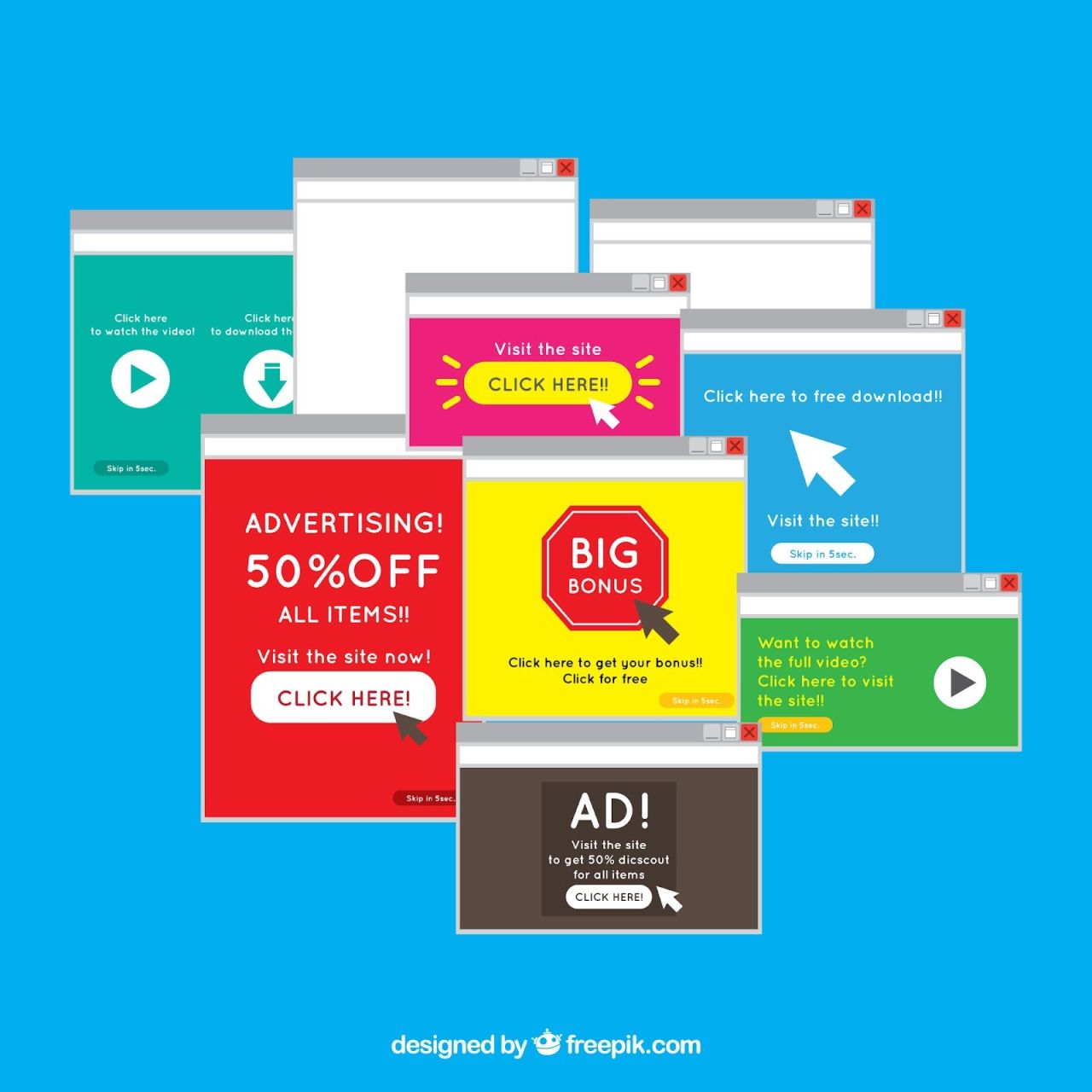
These principles are supported in popular PPC and copywriting tools and are essential for advertisers at all budget levels.
Writing High-Converting Ad Copy
High-converting ad copy starts with a sample question: "What problem is a searcher trying to solve right now?" When your ad reflects that exact need, the chances of getting a click increase significantly.
To achieve this:
- Speak directly about pain points & desired results.
- Emphasize results (save time, save costs, get more leads).
- Use social proof or trustworthiness indicators where space allows
HubSpot, Moz, and Neil Patel's blogs show that benefit-driven, customer-centric language outperforms brand-centric content in paid campaigns.
How to Improve CTR In Google Ads
Understanding how to enhance CTR in Google Ads means balancing three elements: targeting, ad relevance, and after-click experience.
On the ads side, focus on:
- Tight keyword groupings allow for highly targeted copy
- Aligning ad promises and landing page content
- Using extensions to add context and reasons to click
According to guidelines from famous PPC platforms, improvements in ad relevance & message match often enhance CTR more gradually than dramatic bid increases as shown in WordStream’s CTR improvement guide for Google Ads.
Headline Strategies That Earn Clicks
Headlines carry more weight than any other part of your ad copy. They are often the first (and sometimes only) element a user notices.
To craft stronger headlines:
- Combine the core keyword with a clear benefit.
- Use numbers, offers, or outcome-oriented phrases when possible.
- Test question-based headlines, which often drive engagement.
PPC practitioners report that using question-based headlines and the word "you" can boost click-through rates by creating a conversational and relevant tone.
Crafting Engaging Descriptions and CTAs
Descriptions allow you to highlight benefits and address issues. This is where high-converting ad copy provides context and encourages the user to take action.
Strong descriptions typically:
- Clarify what differentiates your solution
- Remove barriers by mentioning ease, speed, or support.
- End with a clear call to action, such as "Get a free quote" or "Book a demo".
Best practices from Google and leading PPC blogs emphasize that CTAs should be specific, action‑oriented, and aligned with the user’s point in the journey to maximize CTR and conversions.
Visual Marketing Tips That Support Your Copy
For display, social, and video campaigns, visuals carry as much importance as text, sometimes more. Creative and performance-driven advertising teams continuously highlight the significance of clarity and simplicity in visual marketing.
To support your ads copy:
- Use imagery that highlights the value at a glance.
- Avoid clutter, leave space for eyes to rest & focus on the CTA.
- Choose visuals that appear professional, modern, and on-brand.
When visuals and messaging tell the same story, your ads feel more coherent, which builds trust and encourages more clicks.
Ad Design Best Practices for Higher CTR
Ad design best practices focus on how individual elements are arranged and prioritized. A clear visual structure lets the viewer move easily from image to headline to CTA.
Core principles include:
- Designing to mobile first, making sure that text and buttons are legible on small screens
- Using contrast between background, text, and CTA buttons to improve readability.
- Placing the CTA where the eye naturally ends scanning the layout.
Design standards state that buttons & focal points can increase CTR by giving users a visible action to perform, even if the whole spot is technically clickable.
Creative Optimization: Testing Your Way to Better Results
Creative optimization is the ongoing process of testing and tweaking ad language and visual aspects in order to consistently improve performance.
Effective creative optimization often involves:
- A/B testing various headlines, CTAs, and value propositions
- Rotating multiple creatives in the same ad group to avoid fatigue
- Analyzing performance by audience, location, and device
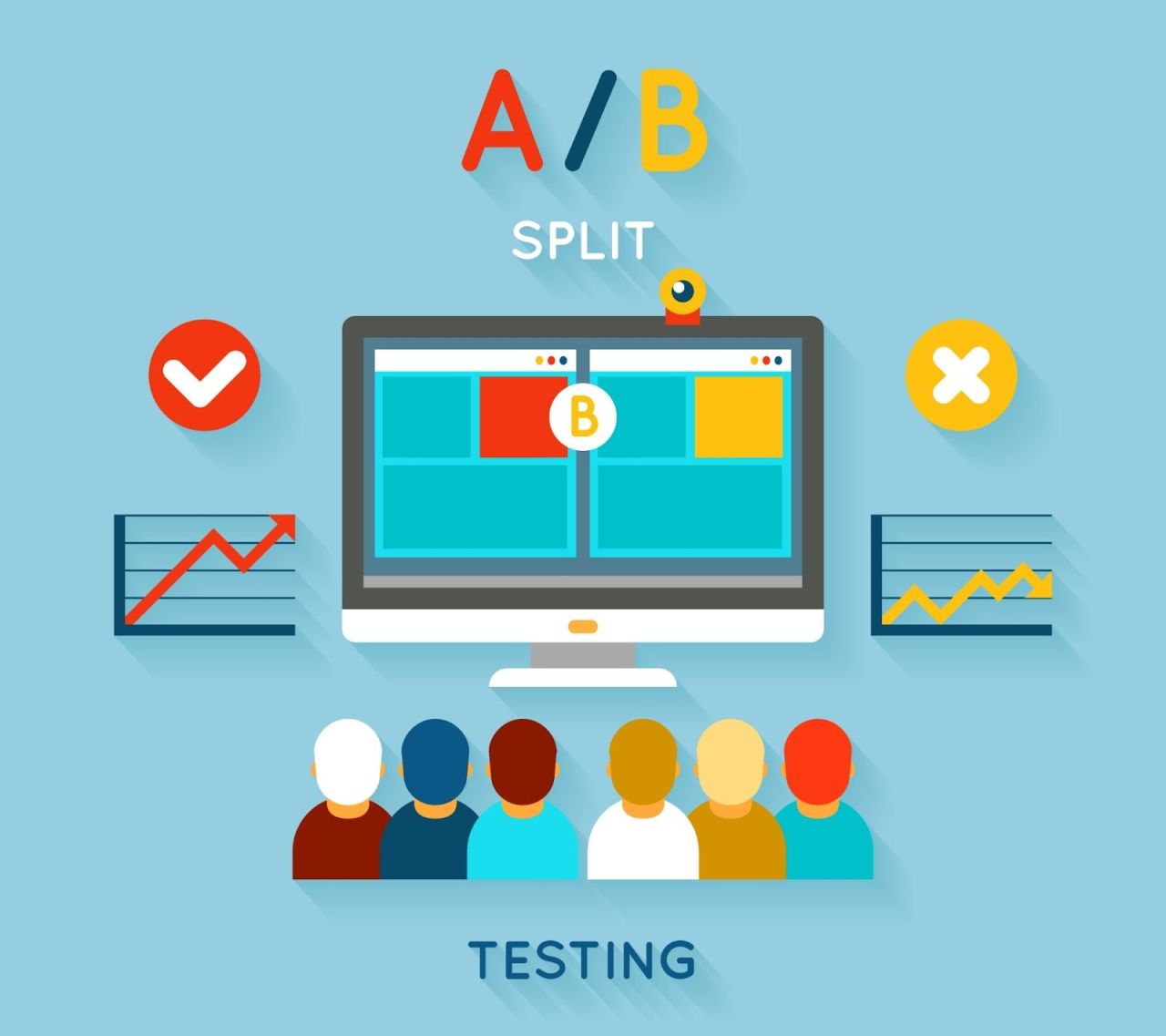
Experts in PPC stress that continuous testing of ad copy and design shoulders much of the responsibility for long‑term rises in CTR and return in ad spend.
Aligning Design, Copy, and Landing Pages
Even the best ad copy tips and design concepts fall short if the post-click experience is not comparable. When a landing page mirrors the same promise, layout, and keywords as the ad, users feel more comforted and willing to take the desired action.
Ensure that:
- The landing page's headlines and hero imagery mirror the major idea of the ad.
- Forms are simple, with easy procedures and clear incentives.
- The overall experience is fast, mobile-friendly, and trustworthy.
Conversion optimization resources, message alignment and visual unity between ads and landing pages are crucial for maintaining CTR gains at the ad level.
Where To Use Primary & Secondary Keywords
From an SEO and ad relevancy standpoint, your primary terms; ad copy suggestions, ad copy, and how to enhance CTR in Google Ads which should naturally appear in key sections like headings, introductions, and conclusions.
Secondary terms like high-converting ad copy, ad design best practices, visual marketing advice, and creative optimization can be included in subheadings and supporting sentences where they make the most sense. This method keeps the density in 1-2% while providing users with a smooth, simple flow.
How Social Stack Can Help
Improving CTR is not just about making ads "prettier." Combining good ad copy tips, design guidelines, and creative optimization into a data-driven approach is key. When that procedure is handled systematically, campaigns like Emma's move from frustrating plateaus to continually higher engagement and cost efficiency.
The Social Stack specializes in the intersection of copy, visuals, and performance. As a marketing partner, the team can assist you in research intent, creating high-converting ad copy, design attractive creatives, and running continuous tests to discover what genuinely resonates with your target audience.If you're ready to boost CTR in Google ads and across your paid channels, contact The Social Stack to audit your current campaigns and start building ads that finally get the clicks; and outcomes that your budget deserves.
.png)