A/B Testing in Marketing: What, Why, and How
Aanya works for a skincare company that is expanding. She has been testing headlines, adjusting landing sites, and launching email campaigns, but her conversion rate hardly changes. Frustrated, she asks, "What exactly is going wrong?"
That's when she learns about A/B testing in marketing. After one test, she discovers that simply modifying the CTA in her email increases click-through rates by 37%. That one minor adjustment? It taught her far more than months of guesswork.
In marketing, what is A/B testing?
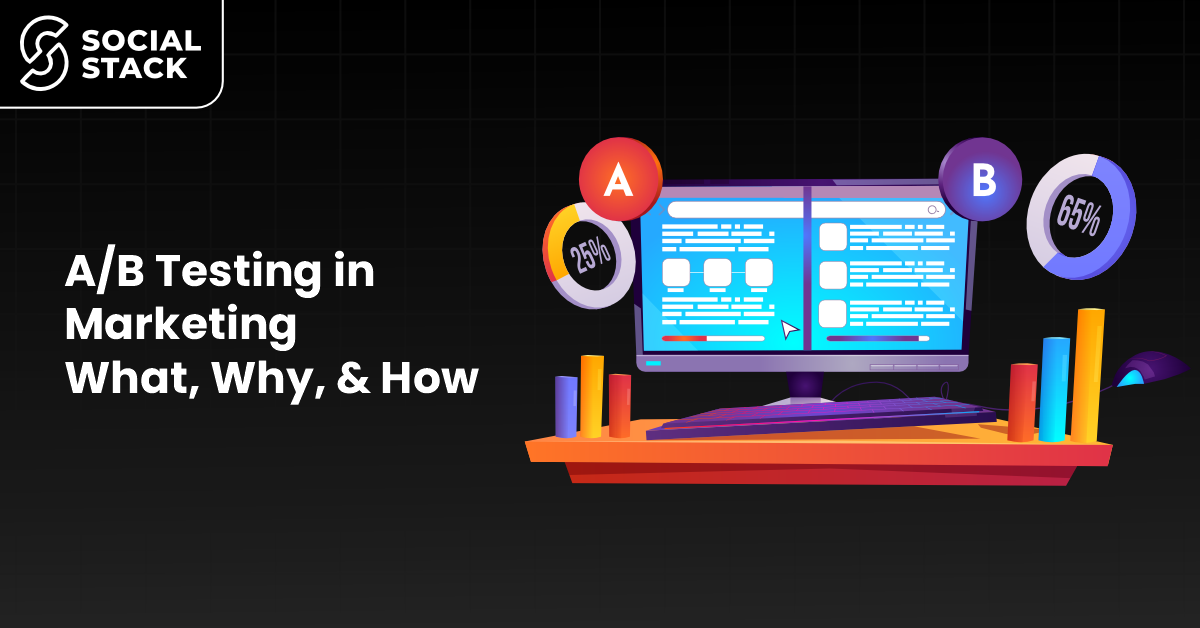
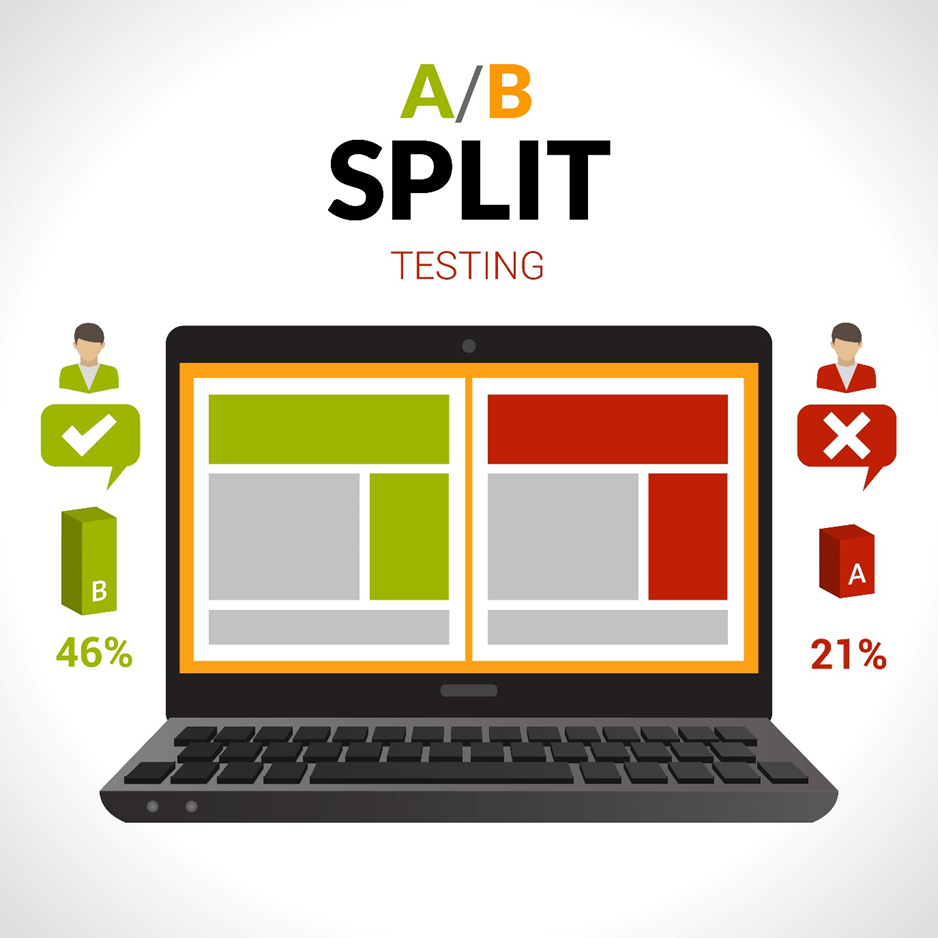
A/B testing, also known as split testing in digital marketing, is a technique used in marketing to compare two iterations of a marketing asset and determine which one works better.
Whether it's an email, a landing page, or an advertisement, version A represents the original and version B represents the modification. Each version is displayed to a similar group of users, and the results show which one performs better.
This strategy is important for digital marketing A/B testing since it replaces guesswork with actual data. You know what will work rather than assuming it.
The Benefits of A/B Testing for Marketing
1. Improved Conversion Rate Optimization
Increased conversions are the goal of all marketers. You can customize what works with A/B testing. Changing the CTA, headline, or layout can significantly boost conversion rate optimization.
2. Reduce Wasted Expenses.
Running advertising without testing is like shooting in the dark. A/B testing allows you to spend smarter by doubling down on what works.
3. Understand Customer Behaviour
What words make people click? What design captures your attention? Real answers come from testing.
4. Cost-effective, high-impact insights
Most A/B testing tools are cheap or even free. However, the insights you obtain can greatly increase your ROI.

How to Use A/B Testing in Marketing Email A/B Testing
Test your CTAs, graphics, sample text, and subject lines. A minor word change can increase the number of clicks or views.
Step 1: Landing page A/B Examining
Test different versions of layouts, forms, headlines, and even testimonies. This is essential for increasing conversions and page performance.
Step 2: Advertising Creatives
Replace visuals, button text, or value propositions. You'll be able to see which ad is more effective with the group you are targeting.
Step 3: Website copy
Sometimes rephrasing a benefit or using clearer wording can have a substantial influence on user engagement.
Step 4: Email A/B Testing
Try testing subject lines, preview text, CTAs, or images. Even a small word change can boost open or click rates.
The Best A/B Testing Tools
Here are some strong A/B testing tools that marketers use:
- Google Optimize: Free and GA4-integrable
- Optimizely: Advanced experiments for big companies.
- Visual Website Optimizer (VWO): Excellent for CRO and UX
- Unbounce - ideal for landing page A/B testing
- Mailchimp provides built-in email A/B testing solution
You can perform A/B testing for digital marketing using each tool without knowing how to code.
Step-by-Step Guide for Running an A/B Test
1. Determine a Specific Goal
Which do you want to increase: ad engagement, landing page signups, or email CTR?
For example: “Increase email click-through rate by 10%.”
2. Choose What to Examine
Common things marketers test:
- Email subject lines
- CTA buttons (text, colour, placement)
- Landing page headlines
- Ad creatives
- Product descriptions
3. Divide your audience evenly.
To get accurate results, make sure each version is sent to a similar amount of customers.
4. Run the test using a tool.
Do not manually track results. Tools give clear data and optimize the procedure.
5. Allow it to run long enough.
Run the test for a few days, or until you obtain statistically significant results.
6. Examine and Use the Winning
Retest with a different version or use the results to inform campaigns in the future.
How The Social Stack Helps in A/B Testing Success
We don't rely on guesswork at The Social Stack.
We develop performance marketing plans based on continuous A/B testing and real-time data. Our team examines every word and pixel in email funnels and landing sites to see what appeals to your audience.
Through a simple shift in focus, we have assisted businesses in increasing their conversion rate optimization by as much as 60%.
Essential Best Practices for Marketing A/B Testing:
- Examine each variable separately.
- Concentrate on a single, distinct objective.
- Record each outcome.
- Allow statistics to guide you—not opinions.
- There's always space for improvement, so never stop experimenting.
Conclusion
In marketing, A/B testing is a way of thinking, not just a strategy. It gives you the ability to make wise decisions based on actual user behavior. A/B testing has the power to transform poor advertising into high-performing ones, regardless of your stage of development.
If you're ready to optimize smarter and grow faster, reach out toThe Social Stack.
Let’s turn your campaigns into conversion machines—one test at a time. One test at a time, let's transform your campaigns into conversion engines.